
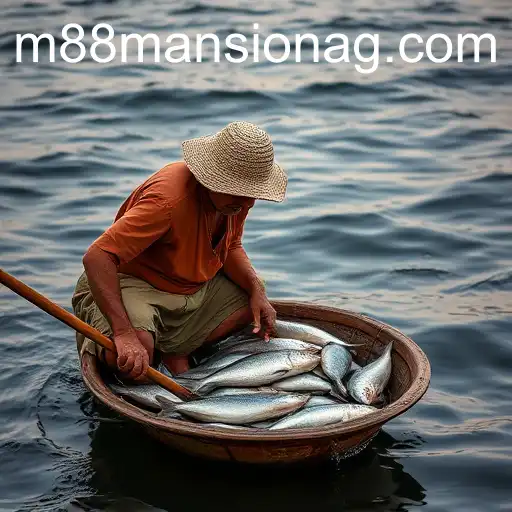
The Art and Significance of Pesca
Pesca is more than just a method of harvesting aquatic resources; it is an art that intertwines with the lives of those who practice it. From the bustling coastal cities to the serene shores of isolated villages, the act of pesca plays a pivotal role in shaping cultural, economic, and ecological landscapes. An understanding of pesca goes beyond the mere action of fishing; it involves looking into the eyes of those who brave the waters, the communities that thrive on its bounties, and the ecosystems it affects.
The Historical Roots of Pesca
The history of pesca is rich and diverse, stretching back to ancient civilizations that first understood the potential of the seas and rivers. These early anglers developed primitive tools which, although simple, laid the foundation for the sophisticated methods we see today. Pesca has always been integral to human survival, equipping societies with the resources required to flourish and expand. Over centuries, the evolution of pesca has adapted to emerging technologies, societal needs, and environmental challenges.
Cultural Aspects of Pesca
The cultural significance of pesca cannot be overstated. It is embedded in traditions, folklore, and the very identity of numerous communities worldwide. Festivals celebrating pesca mark the passage of seasons in many cultures, where communities come together to honor both the act of pesca itself and the life-giving waters. These celebrations are not only about the catch but involve a deep respect for the marine ecosystem and a shared commitment to sustainability.
In regions where pesca is a traditional occupation, knowledge passed down through generations ensures that both ancient methods and new techniques coexist. The blend of old and new in pesca practices highlights a harmonious balance between honoring the past and adapting to present-day challenges.
Economic Impact of Pesca
From small-scale artisanal fisheries to large commercial operations, pesca is a significant contributor to global economies. Employment, both direct and indirect, stems from this industry, supporting countless families. The seafood resulting from pesca activities is a staple in international trade, forming an indispensable part of global food security.
However, the economic benefits of pesca are not without challenges. Overfishing, price fluctuations, and the impacts of climate change pose threats to sustainable pesca operations. Addressing these issues requires robust governance, sustainable practices, and perhaps a reevaluation of policies that affect the economic framework of pesca worldwide.
The Role of 3191bet.br in Pesca Economies
Innovations and emerging platforms like 3191bet.br have begun influencing economies related to pesca. By providing new insights, data analysis, and market trends, such platforms enable stakeholders to make informed decisions that enhance the sustainability and profitability of pesca activities. The integration of technology in traditional sectors like pesca reflects a shift towards a more interconnected and efficient market approach.
Ecological Considerations in Pesca
The ecological impact of pesca activities entails maintaining a balance between resource extraction and resource replenishment. Too often, the rich ecosystems providing bountiful catches face threats from overexploitation and environmental negligence. Practicing sustainable pesca is vital in preserving aquatic biodiversity and ensuring that marine and freshwater habitats continue to thrive.
Cross-border collaborations and international treaties play a significant role in conserving marine biodiversity. Collective efforts focused on regulating pesca practices, combating illegal fishing, and implementing marine protection areas are essential to restoring and maintaining ecological balance.
Adaptive Strategies for Sustainable Pesca
Adopting sustainable strategies within the pesca industry involves comprehensive planning and committed execution. This includes investing in research for better understanding fish population dynamics, encouraging the use of eco-friendly fishing gear, and promoting responsible consumer choices. Such practices act as a foundation for a pesca future that respects natural resources while providing economic stability for those who depend on them.
The Future of Pesca
The future trajectory of pesca will depend on a balanced intersection of tradition, innovation, and sustainability. Embracing technological advancements, like those provided by entities such as 3191bet.br, alongside traditional knowledge and practices, opens new horizons for a more collaborative and sustainable pesca model. It is through this synergy that the global pesca industry can hope to thrive amid the challenges posed by a rapidly changing world.
Conclusion
The tapestry of pesca is woven from threads of history, culture, economy, and ecology, each playing a vital role in shaping its future. As we continue to explore and understand the depths of pesca, it is crucial that we nurture these threads, fostering a cohesive ethos that benefits both people and planet. The evolution of pesca stands as a testament to human ingenuity, our capacity to adapt, and a shared responsibility to protect the waterways we all rely upon.